Phone:
(701)814-6992
Physical address:
6296 Donnelly Plaza
Ratkeville, Bahamas.

Phone:
(701)814-6992
Physical address:
6296 Donnelly Plaza
Ratkeville, Bahamas.
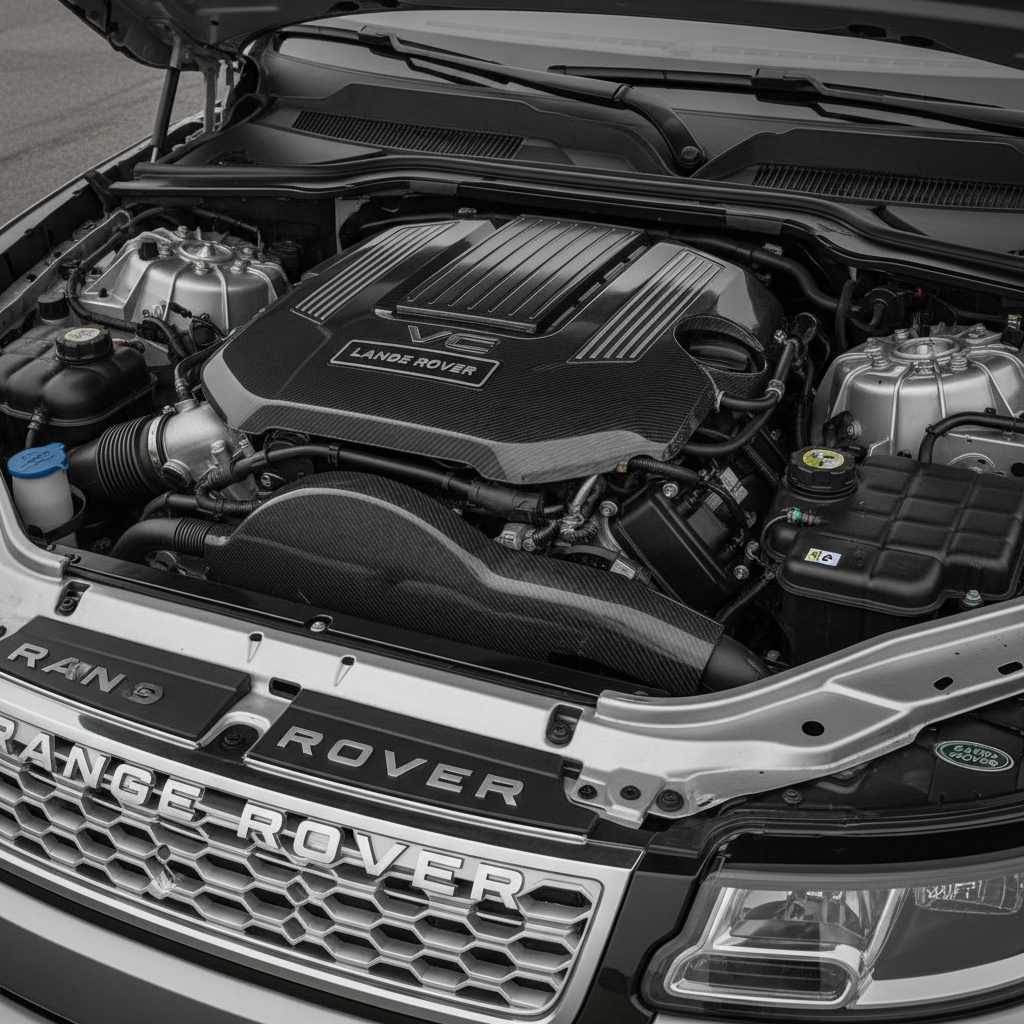
The Range Rover Engine stands as a symbol of luxury performance, efficiency, and innovation. Land Rover has consistently integrated cutting-edge engineering solutions to ensure that the Range Rover not only delivers power and refinement. But it also aligns with modern sustainability standards. With each new generation, these engines have become smarter, cleaner, and more efficient—thanks to the implementation of advanced technologies such as turbocharging, mild hybrid systems, and intelligent engine management. The integration of reconditioned engines in the market has further enhanced accessibility for Range Rover enthusiasts who seek the same technological sophistication at a more affordable price. This combination of innovation and engineering excellence ensures that every Range Rover engine delivers a smooth and powerful driving experience, no matter the terrain. We explore how advanced technology plays a crucial role in shaping the design, performance, and reliability of Range Rover engines—showcasing why they remain at the forefront of luxury SUV powertrains worldwide.
From its inception in 1970, the Range Rover has evolved from simple V8 engines to today’s highly advanced inline-four and six-cylinder turbocharged units. The evolution reflects Land Rover’s commitment to continuous innovation. Early models focused primarily on off-road durability, while modern engines blend performance with eco-conscious engineering. The introduction of lightweight aluminum blocks, variable valve timing, and advanced fuel injection systems marked a turning point in efficiency and performance. In recent years, the adoption of Ingenium engine technology has revolutionized the lineup, offering refined power delivery and reduced emissions. Advanced design tools such as computer-aided simulations and real-world data testing ensure every component performs optimally under various conditions. Even reconditioned Range Rover engines now benefit from these innovations, as they’re rebuilt using the same precision standards as new engines. This progression highlights how technology has shaped the Range Rover engine from a rugged powerhouse into a masterpiece of refined engineering excellence.
Modern Range Rover engines are designed using lightweight materials such as aluminum and composite alloys to enhance both efficiency and performance. Reducing overall engine weight improves fuel economy while maintaining strength and structural integrity. Aluminum blocks not only resist corrosion but also improve heat dissipation, ensuring consistent performance even under heavy loads. Land Rover engineers utilize advanced casting methods to produce precise engine components that minimize friction and wear. This precision engineering contributes to smoother operation and longer lifespan. The use of lightweight materials also plays a vital role in achieving balanced weight distribution, improving handling and stability. Even in reconditioned engines, these materials are carefully inspected, refurbished, or replaced to maintain their structural integrity. The combination of strength and lightness is central to Range Rover’s philosophy—delivering the ideal blend of performance and durability expected from a premium SUV engine designed to conquer every environment with ease.
One of the defining technological features of the modern Range Rover engine is turbocharging. Turbocharged and supercharged systems boost air intake, allowing smaller engines to produce higher power outputs while maintaining efficiency. This innovation enables Range Rover models to deliver exceptional torque, especially useful for off-road driving and towing. Land Rover’s advanced twin-scroll turbochargers reduce lag, ensuring immediate throttle response and seamless acceleration. The brand also incorporates variable-geometry turbo technology, which adjusts turbine blades to optimize boost pressure at different RPMs. Forced induction systems not only enhance performance but also contribute to fuel efficiency and reduced CO₂ emissions. In the case of reconditioned engines, turbo systems are meticulously overhauled to factory standards, ensuring they perform just as efficiently as new units. The result is a powertrain that perfectly balances raw performance with environmental consciousness—delivering thrilling power on demand without compromising on refinement or sustainability.
The integration of hybrid and electric technologies represents a significant leap in the design of the Range Rover engine. Land Rover’s mild-hybrid (MHEV) and plug-in hybrid (PHEV) systems combine internal combustion engines with electric motors to reduce emissions and improve fuel economy. The MHEV system captures energy during braking and deceleration, storing it in a compact battery to assist the engine during acceleration. This not only enhances performance but also ensures a smoother and quieter driving experience. The PHEV models offer extended electric-only driving ranges, contributing to reduced fuel consumption and urban emissions. These hybrid systems rely on advanced control units that intelligently manage energy flow between the engine, electric motor, and battery. Even reconditioned Range Rover engines incorporating hybrid components are rebuilt with utmost precision to maintain system integrity and efficiency. The integration of electrification demonstrates Land Rover’s forward-thinking approach—delivering power, efficiency, and sustainability in perfect harmony.
Modern Range Rover engines are equipped with intelligent management systems that continuously monitor and optimize performance. These advanced control units use data from hundreds of sensors to adjust air-fuel ratios, ignition timing, and turbo boost pressure in real-time. The result is seamless power delivery, reduced fuel consumption, and minimized emissions. Sophisticated diagnostic technologies also allow for predictive maintenance—detecting potential issues before they lead to major failures. This technology not only enhances reliability but also extends engine lifespan, especially crucial for owners who opt for reconditioned engines. These systems are recalibrated and tested to ensure that the engine functions at its peak efficiency after reinstallation. Additionally, modern engine management software receives updates that further refine performance and emission control. Land Rover’s integration of artificial intelligence and real-time analytics ensures that every drive remains smooth, powerful, and environmentally responsible, reinforcing the Range Rover’s reputation for technological excellence and long-term dependability.
Efficient temperature and lubrication management are critical to the longevity and performance of any Range Rover engine. Advanced cooling systems incorporate multiple circuits that regulate temperatures in different engine zones, preventing overheating and ensuring optimal performance even in extreme conditions. Electronic thermostats and variable-speed cooling fans dynamically adjust airflow and coolant distribution based on real-time engine demands. Similarly, advanced lubrication systems deliver oil precisely where it’s needed, reducing friction and wear on internal components. Land Rover also uses high-performance synthetic oils designed to resist breakdown under high temperatures. When it comes to reconditioned engines, the cooling and lubrication systems undergo complete inspection and renewal to restore them to factory efficiency. These technological advancements not only maintain engine health but also contribute to improved efficiency, reduced emissions, and a smoother driving experience. By ensuring consistent thermal stability, Range Rover engines can sustain peak performance and reliability over years of demanding use.
In today’s environmentally conscious era, the Range Rover engine exemplifies Land Rover’s commitment to cleaner and more sustainable driving. Advanced emission control technologies, such as diesel particulate filters (DPF), selective catalytic reduction (SCR). And exhaust gas recirculation (EGR) systems, work together to minimize harmful pollutants. The introduction of mild hybrid systems further lowers CO₂ emissions without sacrificing performance. These innovations ensure compliance with stringent Euro 6 and global emission standards. Furthermore, advanced combustion technologies optimize fuel burn for maximum efficiency and minimal waste. Even in reconditioned engines, emission control components are rigorously tested and restored to maintain compliance with environmental regulations. By blending power with eco-conscious engineering, Land Rover continues to lead the luxury SUV market in sustainable performance. The result is an engine that not only delivers thrilling acceleration. And torque but also aligns with the growing global demand for environmentally responsible automotive solutions.
As automotive technology advances, the Range Rover engine continues to evolve toward a smarter and more connected future. Artificial intelligence (AI) and predictive analytics are beginning to play major roles in optimizing performance and maintenance. Future engines will communicate with onboard systems, external infrastructure, and even other vehicles to adjust driving modes in real time. Over-the-air software updates will further refine engine calibration, ensuring that vehicles remain up to date without physical intervention. Predictive diagnostics powered by AI will detect wear patterns early, extending engine life and preventing breakdowns. Even the world of reconditioned engines will benefit from this progress, with rebuilt units incorporating adaptive learning technologies for improved reliability. Land Rover’s investment in digital innovation ensures that future engines will be lighter, cleaner. And more intelligent—representing the next step in the brand’s legacy of combining performance with precision. The fusion of connectivity and AI will redefine luxury SUV performance for generations to come.