Phone:
(701)814-6992
Physical address:
6296 Donnelly Plaza
Ratkeville, Bahamas.

Phone:
(701)814-6992
Physical address:
6296 Donnelly Plaza
Ratkeville, Bahamas.
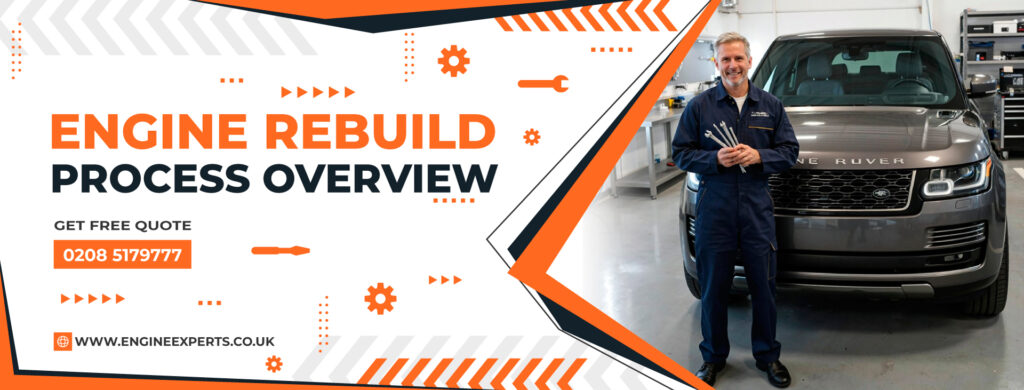
The Range Rover 368DT engine is a 3.6-litre V8 diesel powerplant found in early Range Rover (L322) and Range Rover Sport models. While this engine delivers respectable torque and performance for its period, owners often encounter recurring problems that affect reliability, performance, and maintenance costs. Knowing these issues — especially if you’re considering a used vehicle or Reconditioned Engines — can help you make an informed decision and plan preventive care. At Engine Experts in London, UK, we frequently see these 368DT faults brought in for diagnosis and repair, so understanding them up front is invaluable for owners and buyers alike. Here’s a deep dive into the most common problems associated with this engine and how they impact your Range Rover ownership experience.
One of the most frequent issues reported with the Range Rover 368DT engine involves the turbocharger and its associated boost control mechanisms. The 368DT is equipped with twin BorgWarner BV39 turbos, designed to increase power and efficiency. However, the variable geometry mechanism — crucial for adjusting boost — can fail due to carbon buildup, oil contamination, or wear over time, leading to reduced performance and turbo lag. When the turbo system struggles, owners often notice whining sounds under acceleration or excessive smoke from the exhaust — clear signs that the turbo isn’t operating correctly. Failure to address turbo issues promptly can lead to more severe engine stress and even require costly replacements or a switch to Reconditioned Engines for long-term reliability.
Cooling system problems are another major concern for the 368DT engine. Components like plastic thermostat housings, radiator hoses, and water pumps are known weak points — with thermostat housings particularly prone to cracking under thermal stress. When coolant leaks or flow restrictions occur, the engine can overheat, leading to warped cylinder heads or even head gasket failure. Overheating not only affects performance but can also cause long-term internal damage. Regular checks of coolant levels, thermostat operation, and hose condition are critical for preventing catastrophic failures. Many owners bring in vehicles to Engine Experts specifically due to overheating issues, which if left unchecked, often necessitate more extensive repairs.
The air intake system of the Range Rover 368DT engine also presents common issues, particularly with its intercooler hoses and associated ductwork. Over time, these hoses can harden, crack, or split — especially if exposed to engine heat cycles and contaminants. When that happens, unmetered air enters the system, disrupting the air-fuel mixture and causing loss of power, erratic idling, or turbo inefficiency. Intercooler hose failure often also causes oil to enter places it shouldn’t, potentially damaging sensors or turbo seals. Replacing degraded intake hoses and ensuring airtight connections is a relatively simple preventive step that can save you from more significant engine stress later.

Another noteworthy issue with the 368DT engine is the tendency for the exhaust manifold gasket to fail. This gasket seals the exhaust manifold to the cylinder head; when it breaks, exhaust gases can escape before reaching the turbo. This leads to reduced performance, increased engine noise, and possible heat damage to adjacent components. Unfortunately, replacing this gasket often requires removing significant engine components — which can be labour-intensive and costly. Regular inspections for exhaust leaks and manifold integrity should be part of scheduled maintenance, especially in older models or high-mileage vehicles.
Like many modern engines, the Range Rover 368DT relies on an intricate network of sensors to monitor performance. Failures in components such as mass airflow sensors, crankshaft position sensors, or boost control sensors can send incorrect data to the ECU, leading to poor engine response, hesitation, or triggering limp mode. While electrical issues aren’t mechanical failures per se, they significantly impact engine performance and diagnostics. Often, resolving these requires specialist diagnostic tools to pinpoint the exact sensor malfunction. Choosing quality replacement parts or considering Reconditioned Engines with verified sensor systems can help reduce the frequency of these electrical gremlins.
The 368DT’s cooling circuit includes components vulnerable to stress and age. Thermostat housings — commonly made of plastic — can crack, leading to coolant leaks and eventual overheating if unnoticed. Coupled with worn hoses or minor leaks in the radiator, these faults can compound into a costly repair situation. Symptoms such as fluctuating engine temperature readings, coolant puddles under the vehicle, or steam from the bonnet all signal cooling system issues. Early identification and timely replacement of worn parts not only preserve engine health but can prevent the need for more extensive work or replacement with Reconditioned Engines.
Oil leaks are a common concern across Range Rover engines, and the 368DT is no exception. Leaks typically originate from valve cover gaskets, cam seals, or other external seals that deteriorate with age and heat exposure. Persistent leaks reduce engine lubrication, increasing internal wear and the risk of overheating or friction damage. Regular inspection of oil seals and proactive gasket replacement can help maintain optimal lubrication levels. In cases where internal wear becomes significant, many owners opt for professionally remanufactured or Reconditioned Engines to ensure long-term reliability and performance.
Finally, the longevity of the Range Rover 368DT engine heavily depends on proactive and regular maintenance. Services like oil and filter changes, coolant flushes, and air intake checks should follow manufacturer schedules and be more frequent for high-mileage vehicles. However, if cumulative wear or recurring faults occur — particularly with key components like turbos, cooling system, or sensors — it may be more cost-effective to consider Reconditioned Engines. A professionally reconditioned 368DT unit can return performance closer to new specifications and reduce the likelihood of breakdowns. At Engine Experts in London, UK, we provide inspection, repair, and reconditioning guidance that helps owners make smart choices — whether repairing components or choosing a high-quality reconditioned replacement.