Phone:
(701)814-6992
Physical address:
6296 Donnelly Plaza
Ratkeville, Bahamas.

Phone:
(701)814-6992
Physical address:
6296 Donnelly Plaza
Ratkeville, Bahamas.
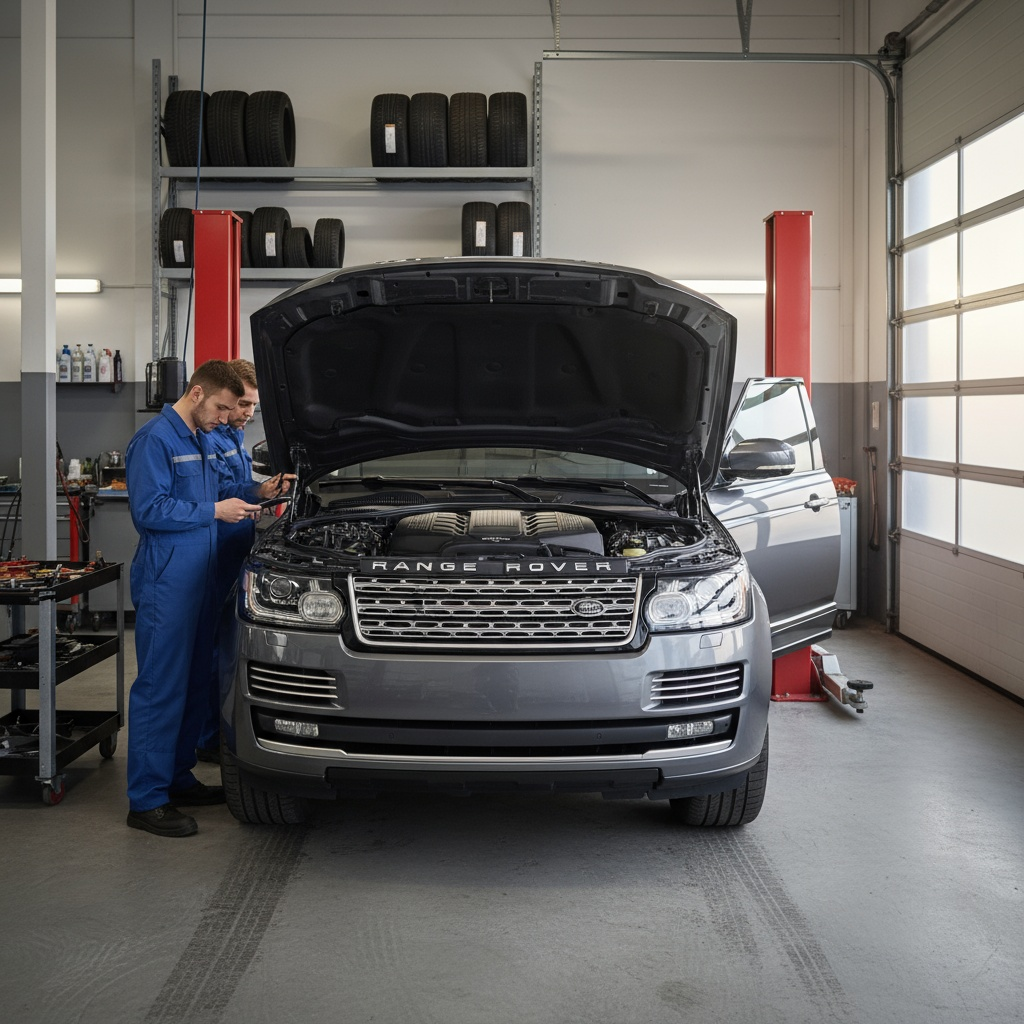
The Range Rover Engine is celebrated for its combination of luxury, performance, and off-road capability. What truly sets it apart is its exceptional ability to deliver high torque and quick responsiveness across all driving conditions. Torque, the twisting force that drives a vehicle forward, is essential for powerful acceleration, towing, and off-road performance. Range Rover’s engineers have meticulously designed their engines to ensure torque is available at low RPMs, making the driving experience smooth and effortless. Responsiveness, on the other hand, reflects how quickly the engine reacts to throttle input—a vital factor for performance and control. Through advancements in turbocharging, engine mapping, and drivetrain systems, Range Rover continues to redefine the balance between strength and refinement. We explores the innovative design strategies that help Range Rover engine achieve optimal torque and responsiveness, and why even reconditioned engines maintain these impressive characteristics.
The Range Rover Engine benefits from Land Rover’s decades of engineering expertise focused on creating power units that combine strength and sophistication. Torque generation begins at the heart of the engine—with its internal architecture. Engineers optimize piston stroke length and combustion chamber design to increase leverage and efficiency. The latest Ingenium engine lineup features a modular construction that supports both petrol and diesel variants, each tuned for maximum torque output at lower RPMs. Materials such as lightweight aluminum reduce overall mass while maintaining durability, ensuring the engine’s rotational energy converts efficiently into torque. Additionally, advanced fuel injection systems deliver precise fuel quantities for consistent combustion, further enhancing low-end pull. This meticulous attention to mechanical design ensures that every Range Rover, whether powered by a new or reconditioned engine, delivers robust and responsive torque for both city driving and rugged terrains.
Turbocharging plays a pivotal role in how the Range Rover Engine maximizes torque and responsiveness. By using exhaust gases to spin a turbine, turbochargers compress the intake air, allowing more oxygen into the combustion chamber. This results in a denser air-fuel mixture and increased power output without enlarging the engine’s displacement. Range Rover engines often feature twin-scroll or variable-geometry turbochargers, which reduce turbo lag—a delay in power delivery—and provide near-instant throttle response. The Ingenium diesel and petrol engines both use these systems to ensure seamless acceleration, especially during overtaking or off-road climbs. Furthermore, intelligent cooling systems maintain optimal turbine efficiency under high loads, preventing heat-related performance drops. Even in reconditioned engines, properly serviced turbochargers maintain the same responsiveness as new units, ensuring smooth acceleration and confident power delivery across the rev range.
Fuel injection systems are key to achieving maximum torque and engine response. In the modern Range Rover Engine, direct fuel injection technology ensures that every droplet of fuel is perfectly atomized and distributed for combustion. High-pressure injectors deliver fuel directly into the combustion chamber with incredible accuracy, allowing the engine to adapt instantly to varying driving demands. This precision enhances throttle responsiveness and torque consistency, particularly at low RPMs. Combined with adaptive control units, the engine continuously adjusts timing, pressure, and spray patterns to maintain efficiency and power. The benefit is especially noticeable during off-road driving or towing, where instant torque delivery is essential. Even reconditioned engines equipped with recalibrated injectors retain this level of precision, offering drivers the same confident performance as factory-new engines. Such advancements underline Range Rover’s commitment to engineering excellence and seamless driving dynamics.
A crucial factor in maximizing torque and responsiveness lies in reducing weight and improving power transfer. The Range Rover Engine utilizes lightweight aluminum alloy blocks and heads, which not only enhance efficiency but also improve balance and agility. Reducing weight means less inertia, allowing the engine to respond more quickly to throttle inputs. This lightweight design also improves vehicle handling, giving drivers better control and stability on all terrains. Furthermore, the engine is paired with sophisticated transmission systems—such as the 8-speed or 9-speed automatic gearboxes—that ensure smooth and timely power delivery. Torque converter technology further enhances low-speed responsiveness, crucial for off-road maneuvering. When properly reassembled, reconditioned engines retain these core structural benefits, ensuring that the driving feel remains dynamic and responsive. This combination of lightweight engineering and advanced transmission calibration defines the refined yet powerful experience of driving a Range Rover.
The Range Rover Engine is governed by highly advanced electronic control units (ECUs) that continuously monitor performance parameters in real time. These systems adjust ignition timing, fuel delivery, air intake, and turbo boost pressure to optimize torque output and responsiveness under any condition. For example, when quick acceleration is needed, the ECU instantly alters fuel mapping to increase power while maintaining efficiency. Adaptive learning algorithms also recognize driving patterns, allowing the engine to respond more intuitively to the driver’s style. Whether on a highway or navigating steep off-road paths, this intelligent adaptability ensures consistent torque distribution. When reconditioned engines are properly reprogrammed with updated ECU software, they too can deliver the same level of intelligent performance, demonstrating that technology and mechanical design work hand in hand to deliver superior responsiveness across all driving modes.
Modern Range Rover models integrate mild-hybrid or plug-in hybrid systems that elevate torque delivery and responsiveness even further. The combination of electric motors with the Range Rover Engine provides immediate torque assistance at low speeds, effectively eliminating lag during initial acceleration. This setup not only enhances off-the-line performance but also improves fuel efficiency by recovering energy during braking. The 48-volt mild-hybrid system, for instance, assists the engine during demanding maneuvers, allowing smoother transitions and faster throttle response. The result is a driving experience that feels both powerful and refined. These electrified enhancements can also be found in reconditioned engines designed for hybrid setups, ensuring sustainability without compromising performance. By merging traditional combustion power with electric innovation, Range Rover continues to demonstrate its leadership in the field of responsive and torque-rich engine design.
Torque optimization doesn’t stop at the engine—it extends to the drivetrain and differential systems that distribute power to the wheels. The Range Rover Engine works in harmony with advanced all-wheel-drive (AWD) systems, ensuring that torque is sent to the wheels with the most grip. Electronic locking differentials and torque vectoring technology continuously monitor traction and adjust power delivery for optimal stability and control. This ensures instant responsiveness, especially in slippery or uneven conditions. The seamless transition of torque between axles makes driving feel balanced and confident, whether on mud, snow, or tarmac. Reconditioned engines paired with recalibrated drivetrain components can maintain this same precise torque distribution, preserving the Range Rover’s hallmark driving capability. Together, the engine and drivetrain systems exemplify a unified approach to performance—transforming mechanical power into effortless motion.
Every Range Rover Engine undergoes rigorous testing to ensure it meets the brand’s demanding standards for torque and responsiveness. Engineers perform simulations under extreme temperature, pressure, and altitude conditions to confirm durability and consistency. The goal is to create engines that maintain instant throttle response regardless of environment or vehicle load. Refinement processes such as dynamic balancing, vibration testing, and ECU recalibration guarantee smooth performance. Even reconditioned engines follow similar procedures, ensuring that all internal components meet original specifications before installation. This attention to quality control ensures that reconditioned units deliver the same driving pleasure as new ones. It’s this commitment to precision and reliability that allows Range Rover to uphold. Its reputation as one of the most refined and capable SUV manufacturers in the world.